
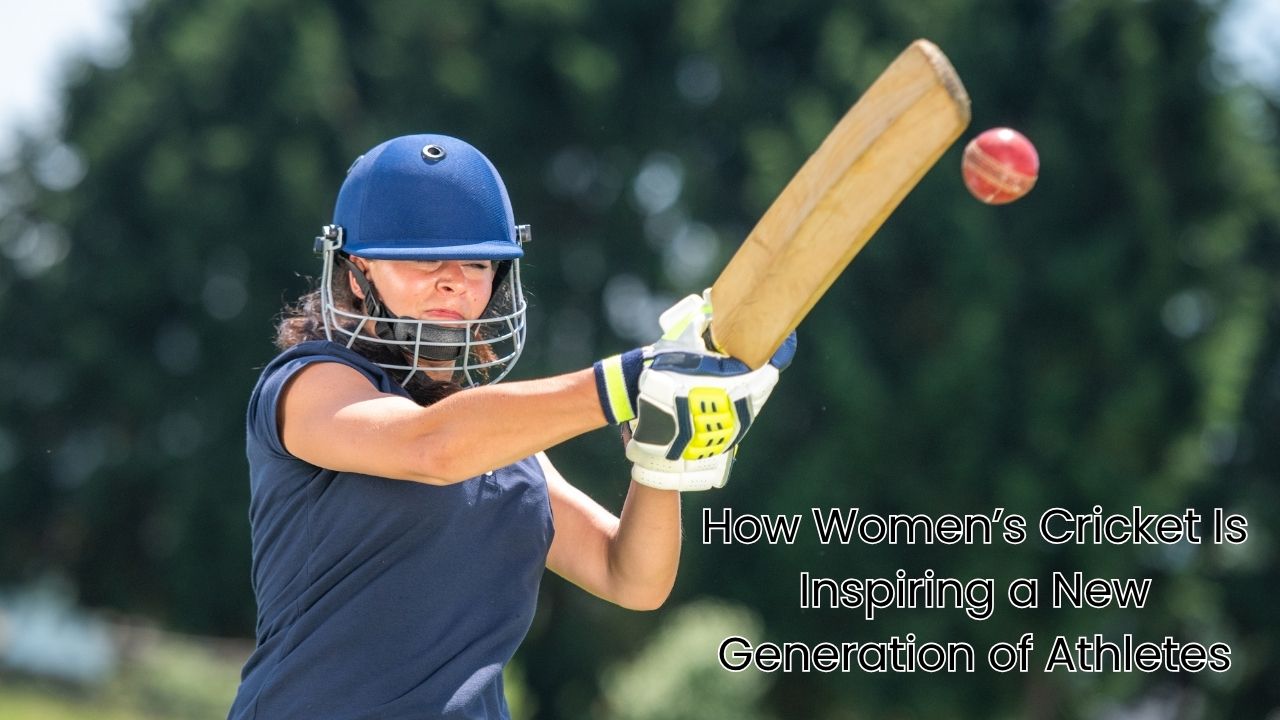
Women’s cricket has moved from the sidelines to the center of the sporting conversation. Packed stadiums, growing television audiences, professional leagues, and globally recognized players are changing how young people view the game. More importantly, female cricketers are giving the next generation something that was far less visible in the past: role models who prove that talent, discipline, and ambition can create a genuine career in cricket.
That growing visibility also influences how young teams build their own identities. School clubs, local academies, and amateur teams now think more seriously about their names, uniforms, social media presence, and overall image. Even simple tools such as a free logo creator can help a new girls’ cricket team develop a recognizable visual identity without needing a large budget. These details may seem small compared with batting averages or bowling figures, but feeling like part of a real, organized team can make young athletes more confident and committed to the sport.
Greater Visibility Creates Bigger Dreams
For decades, many girls interested in cricket had limited opportunities to watch women competing at the highest level. Most sports coverage focused overwhelmingly on men’s competitions, which made it difficult for young female athletes to imagine themselves following a similar path.
That situation is changing quickly.
Major international tournaments now attract millions of viewers, while domestic competitions such as the Women’s Premier League in India and the Women’s Big Bash League in Australia have brought elite female cricketers into households around the world.
Young players can watch professional athletes perform under pressure, lead national teams, sign sponsorship agreements, and compete in front of huge crowds. Seeing those possibilities makes a significant psychological difference.
A girl watching a professional batter hit a match-winning boundary is no longer simply watching someone play cricket. She is seeing evidence that there may be a place for her in the sport too.
Female Cricketers Are Becoming Powerful Role Models
Successful athletes influence young people far beyond their technical ability.
Players such as Ellyse Perry, Smriti Mandhana, Harmanpreet Kaur, Meg Lanning, Nat Sciver-Brunt, and Chamari Athapaththu have become recognizable sporting personalities. Their careers demonstrate different qualities that young athletes can learn from, including resilience, leadership, consistency, teamwork, and confidence.
These role models are particularly important because young athletes often need to see someone like themselves succeeding before believing that a goal is realistic.
Their stories also demonstrate that sporting careers rarely happen overnight. Professional players spend years training, improving their technique, managing setbacks, and competing for opportunities.
That message can be extremely valuable for young athletes who may become discouraged when progress feels slow.
Professional Leagues Are Creating Real Career Paths
One of the biggest changes in women’s cricket is the growth of professional domestic leagues.
In the past, talented female players often faced a difficult choice between cricket, education, and full-time employment. Even international players sometimes struggled to earn enough from the sport alone.
Professional contracts are gradually changing that reality.
Franchise leagues provide players with salaries, international exposure, high-level coaching, sponsorship opportunities, and experience competing alongside athletes from different countries.
This development matters to younger generations because it transforms cricket from a hobby into a possible profession.
Parents may also become more supportive when they see that the sport offers structured development programs, scholarships, professional contracts, and long-term opportunities.
Grassroots Cricket Is Becoming More Inclusive
Elite competitions attract attention, but the future of women’s cricket depends heavily on what happens at grassroots level.
Schools, community clubs, and cricket academies are increasingly introducing programs specifically designed to encourage girls to participate.
These programs often focus on making the first experience enjoyable rather than overly competitive.
That approach is important.
A young player who immediately feels pressured to perform may quickly lose interest. In contrast, an environment that emphasizes teamwork, learning, and enjoyment can build a much stronger long-term connection with the sport.
Schools can support participation by offering beginner-friendly training sessions, mixed introductory programs, and dedicated girls’ teams where demand exists.
Parents also play an important role by encouraging experimentation. A child does not need to show exceptional talent during the first few sessions. Confidence, coordination, and technical skills develop with practice.
Cricket Teaches Skills That Extend Beyond Sport
The benefits of cricket are not limited to physical fitness.
Young athletes learn how to communicate with teammates, handle disappointment, make decisions under pressure, and take responsibility for their performance.
Cricket is particularly effective at teaching patience.
A batter may need to wait for the right delivery rather than attacking every ball. A bowler may execute a good plan several times before finally taking a wicket. A team may lose several matches before finding the combination that works.
These experiences teach young players that improvement is often gradual.
Leadership skills also develop naturally. Captains must make tactical decisions, but every player eventually faces moments when they need to communicate, encourage teammates, or take responsibility.
Those lessons can later help young people in education, careers, and everyday life.
Social Media Is Connecting Young Players With the Game
Modern athletes are more accessible than previous generations.
Through social media, young fans can watch training routines, match highlights, interviews, behind-the-scenes footage, and personal stories from professional players.
That access makes elite athletes feel more relatable.
Young cricketers can see that professionals also experience difficult training sessions, injuries, disappointing performances, and nervous moments before important matches.
This can help remove the unrealistic idea that successful athletes are naturally perfect.
Instead, young players begin to understand that consistency and improvement matter more than flawless performance.
Coaches can use this content constructively by asking players to study specific aspects of professional matches. For example, young batters might observe footwork and shot selection, while bowlers can analyze field placements or variations.
Watching cricket then becomes part of the learning process rather than passive entertainment.
How Coaches and Parents Can Encourage Young Female Cricketers
Supporting a young athlete does not require expensive equipment or elite coaching from the beginning.
A few simple approaches can make a meaningful difference.
First, focus on enjoyment. Children are far more likely to continue playing when practice feels rewarding.
Second, celebrate effort rather than only results. Scoring fifty runs deserves recognition, but so does practicing consistently or showing better decision-making during a difficult match.
Third, expose young players to women’s cricket. Watching professional matches gives them technical ideas and relatable role models.
Finally, create opportunities to play regularly. Skills develop through repetition, whether that means joining a local club, practicing with family members, or participating in school competitions.
The objective should be to create an environment where curiosity and confidence can grow naturally.
The Future of Women’s Cricket Looks Stronger Than Ever
Women’s cricket is inspiring young athletes because the possibilities surrounding the sport are becoming increasingly visible. Professional competitions are expanding, female players are becoming global sporting figures, and grassroots opportunities are improving in many countries.
The impact extends far beyond producing the next generation of international cricketers.
Every young person who joins a team has the opportunity to develop confidence, discipline, friendships, leadership skills, and a healthier relationship with physical activity.
That may ultimately be one of the most important achievements of the growth of women’s cricket. The sport is not only creating more professional athletes. It is showing thousands of young girls that they belong on the field, that their ambitions deserve to be taken seriously, and that there is space for them to build their own sporting story.
