
We have all seen it, or done it: thanking a chatbot a little too sincerely, apologizing to a voice assistant for interrupting it, or telling a smart speaker about our terrible day. It is gentle, funny, very modern behavior, and it makes excellent material for satire.
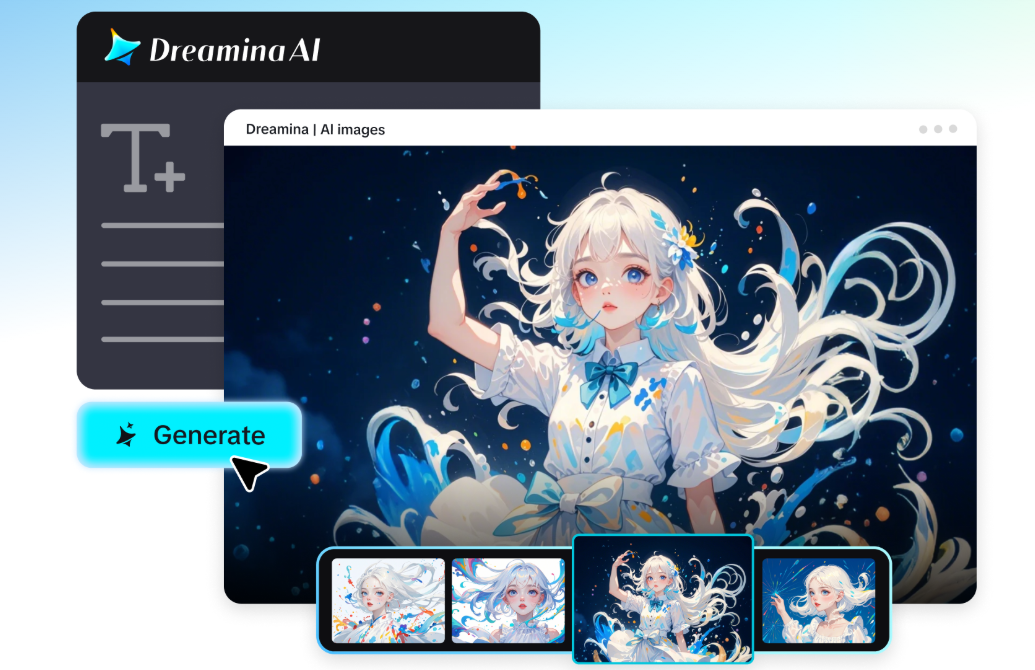
With a text to video AI free option like Dreamina, you can turn those everyday quirks into short, polished comedy videos without cameras, actors, or editing skills. This guide shows you how to find the funniest angles, write prompts that deliver the joke, and produce shareable satirical clips about humans and their very attentive digital companions.
Why this topic is ripe for satire
Satire works best when it holds a mirror to something real, and our relationship with AI assistants is full of small contradictions. We know it is software, yet we say “please” and “thank you.” We ask for advice, then argue with the answer. We feel strangely guilty closing the app.
The humor is gentle and affectionate rather than cruel. Viewers laugh because they recognize themselves, which makes these videos highly relatable and shareable.
Comedy angles worth exploring
Here are several approaches that generate reliable laughs:
- Over-the-top politeness: a character wishes their assistant a lovely weekend and waits for a reply.
- Imaginary friendship milestones: celebrating the “one-year anniversary” of daily questions.
- Dramatic breakups: a person agonizes over switching to a different assistant.
- Social-hangout parody: setting a place at the dinner table for the assistant.
- Overly personal oversharing: confessing silly secrets like cereal preferences.
- Assistant as roommate: blaming it for the missing socks.
Meet Seedance 2.5: the engine behind your videos
Dreamina uses Seedance 2.5 for video generation, and its capabilities suit satire very well:
- Expressive human performance: exaggerated reactions, awkward pauses, and warm smiles come through convincingly.
- Strong prompt adherence: the specific comedic action you describe is the action you get.
- Multi-shot scene building: cut between a person talking and a glowing screen for classic comedic timing.
- Cinematic camera moves: slow zooms on a hopeful face add mock gravitas.
- Flexible formats: choose vertical for short-form feeds or widescreen for YouTube.
- Soundtrack generation: add sentimental music for mock-emotional moments.
Satire styles to choose from
Different formats create different flavors of humor. Consider these:
- Mock documentary: a serious narrator explains “the growing bond between humans and their helpful software.”
- Romantic comedy parody: slow-motion eye contact with a laptop at sunset.
- Sitcom living room: a couch, a laugh-track feel, and one oddly sincere character.
- Fake commercial: an ad for “the friend who always answers at 3 a.m.”
- Dramatic reunion: a person returns from vacation and greets their phone like a long-lost friend.
How to make your satirical video with Dreamina
Follow these steps to go from idea to finished clip.
Step 1: Upload the reference image and write the appropriate prompt
Go to Dreamina, log in, and move to the section titled “AI Video.” Press on “Add reference image” to upload the image of your choice, and don’t forget to add the description by writing a prompt. Your prompt should explain exactly what needs to be taken from the image, be it this character’s face, clothes, room shades, etc.
Here is an example of a 30-second video prompt: Taking the uploaded image of the character as a reference for their face, hairstyle, and warm sweater, create a romantic comedy sketch in the bright apartment. The character looks adoringly at the lit-up laptop on the table, flipping their hair in slow motion against the sentimental acoustic melody. They sigh and say, “You always understand me.”
Step 2: Create your video
Make use of the Seedance 2.5 model to generate the video. After that, choose the video duration and the aspect ratio, either 16:9 or 9:16, according to the distribution platform. Once you have the model selected, go ahead and click the Dreamina button and wait for a few seconds while your video is processed.
Step 3: Edit and export the video
Before saving your video, enhance it with the Dreamina editing tools. Some of its features include the Upscale tool for video improvement and Generate soundtrack for audio generation.
Writing satire that feels warm, not mean
The best satire here teases human habits, not people. Keep the tone affectionate by making the human character the lovable fool and the assistant a calm, neutral presence. Avoid mocking real individuals, specific companies, or vulnerable people who may genuinely rely on companionship tools. Aim for the kind of humor where everyone watching thinks, “That is basically me.” Exaggerate for effect, but let the truth underneath stay recognizable.
Prompt tricks for deadpan delivery
Satire relies on timing and tone. Use descriptive cues like these to guide the performance:
- “Deadpan expression” for dry humor.
- “Overly sincere” for earnest, exaggerated emotion.
- “Long awkward pause” for comic timing.
- “Mock-serious narrator voice” for documentary parody.
- “Slow-motion” to inflate small moments into epic ones.
Building a recurring character
A consistent character can turn one funny clip into a series. Imagine “Gerald,” a gentle man in a mustard cardigan who treats every digital helper like a dear friend. Use the same reference image and the same description across episodes, then change the situation: Gerald brings the assistant to a birthday party, Gerald panics when the Wi-Fi drops, Gerald writes a thank-you card. Audiences enjoy following a recognizable personality.
Sound, captions, and posting ideas
Sentimental piano under a ridiculous moment is one of the oldest comedy tricks, and Dreamina’s soundtrack tool can help you set that tone. Add captions like “POV: you said thank you to a chatbot again.” Post vertical clips for short-form feeds and invite comments with prompts such as “Who else apologizes to their assistant?” Keep episodes under a minute so the punchline lands before attention fades.
Final thoughts
Our growing habit of treating helpful software like a friend is funny because it is so human. With a text-to-video AI workflow in Dreamina and the Seedance 2.5 model, you can turn that habit into affectionate satire in minutes. Choose your angle, write a prompt with clear comedic beats, and let the digital friendship drama begin.
